The growth of the cybersecurity market in 22 was twice as fast as the overall market, in 23 it was four times faster.
The cost of services is rising, and the gap between organisations that can afford the right level of cyber security is widening. The bigger the organisation, the better its cyber security. Which seems very logical. But medium and small organisations are not keeping up with the rapidly changing environment and risks. Cyber insurance is also much more accessible to large organisations than small ones.
Thanks to the development of AI, it is not only organisations that have gained an advantage, but also fraudsters who use technology to their advantage. The rapid adoption of new technologies will create even more risks. In addition, there is a shortage of skilled professionals in the market.
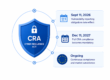
One solution, is regulation and standardisation similar to other fields. But it is interesting to note that it is the inconsistency of requirements and regulation in countries that is noted as the biggest challenge in building and implementing security in companies.
Some statistics
29% of organisations have suffered a security incident in the past year.
50% of organisations say they lack the tools and skills to deal with threats.
60% of executives agree that cyber and data security processes reduce risk.
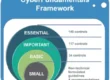
If you have a small or medium-sized business, you can significantly reduce risk by implementing basic security processes. By auditing, identifying and addressing key critical risks, and developing and implementing basic security processes and regulatory documentation. Thereby improving the quality and maturity of the company’s business processes and significantly reducing the risks of incidents.
If you have a need for quality auditing and building security processes, write to me, I am always happy to help.
The report itself is Global Cybersecurity Outlook 2024 – WEF_Global_Cybersecurity_Outlook_2024